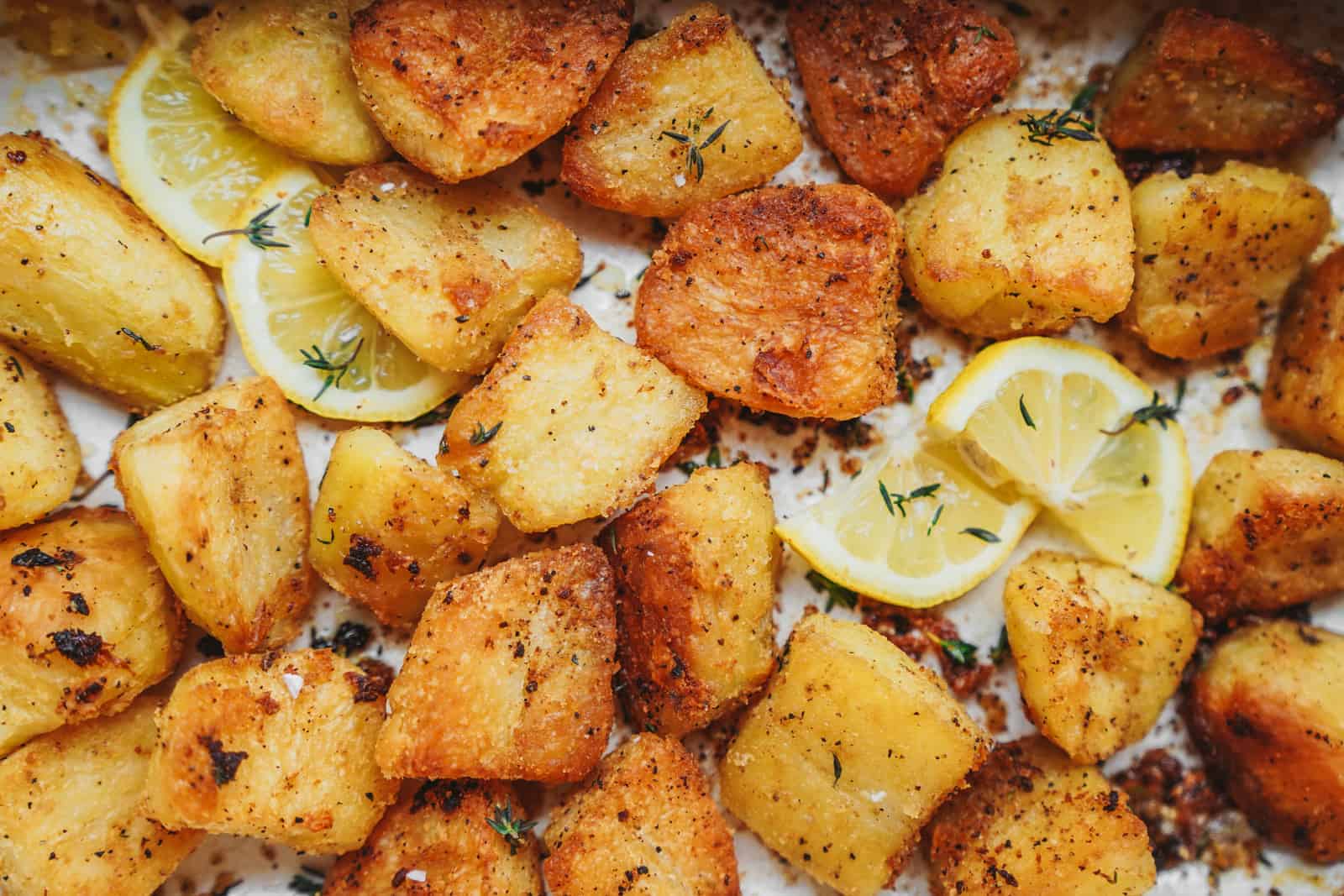
Unlock the Secret to Gloriously Crunchy Roasted Potatoes (No Frying!)
There’s a universal delight in the simple potato, especially when it’s transformed into a golden, crispy, oven-roasted masterpiece. For many, the memory of truly exceptional roast potatoes harks back to childhood — a perfectly seasoned, slightly spicy, crunchy exterior giving way to a cloud-like interior. If you’ve ever wondered how to recreate that magic in your own kitchen, achieving gloriously crispy roasted potatoes without the need for deep frying, you’ve come to the right place. Forget soggy spuds and bland bites; we’re about to unveil the two-step method that’s consistently praised as the secret to the “best potatoes ever.”
The journey to culinary perfection often involves embracing simple techniques that yield extraordinary results. This guide isn't just a recipe; it's an exploration into the science and art of creating roast potatoes that boast deeply golden, impossibly crunchy edges and luxuriously creamy centers, all achieved with the humble heat of your oven. Prepare for a revelation that will change your potato game forever, guaranteeing plates scraped clean and demands for seconds.
The Culinary Magic Behind Truly Crispy Roasted Potatoes
The distinction between good roasted potatoes and truly exceptional crispy roasted potatoes lies in a clever, yet straightforward, two-step cooking method. This isn't just about throwing potatoes in the oven; it's about optimizing their structure to maximize flavor and texture. The core principle revolves around preparing the potatoes in a way that encourages maximum surface area crispiness while preserving a soft, tender interior.
The Boil-and-Roast Brilliance
The first crucial step is a brief boil. This serves multiple purposes:
- Softening the Core: Boiling the potato chunks partially cooks their insides, ensuring they become beautifully tender and creamy during the roasting phase.
- Activating Starch: This is where the real magic begins. Boiling causes the starches on the potato's exterior to gelatinize. When you then "rough up" these par-boiled potatoes, this gelatinized starch breaks down, creating a multitude of tiny, feathery edges and nooks. These crags are the prime real estate for crisping up in the oven, significantly increasing the surface area available for browning and crunch.
- The Baking Soda Boost: A pinch of baking soda added to the boiling water is a game-changer. It raises the pH of the water, which helps to break down the potato's pectin, further softening the exterior and making it even easier to achieve those desirable rough edges. It also aids in the Maillard reaction (the browning process), contributing to that deep golden hue and irresistible flavor.
After this strategic boil, the potatoes are drained and returned to the hot pot. A vigorous shake is then applied, gently bruising and roughening their surfaces. This seemingly minor step is monumental for crispiness, creating countless flaky bits that will turn into glorious crunch in the oven. For a deeper dive into avoiding common pitfalls, explore Avoid Soggy Spuds: Tips for Truly Crispy Oven Roasted Potatoes.
The second step is the high-heat roast. With their rough, starch-rich surfaces, the potatoes are ready to meet the inferno of a hot oven (around 450°F/232°C). This intense heat rapidly dehydrates the exterior and triggers the Maillard reaction, developing those complex, savory flavors and a shatteringly crisp texture. The result is a potato that delivers a delightful textural contrast with every single bite.
Selecting Your Spuds and Fats: A Foundation for Flavor
The success of your crispy roasted potatoes begins long before they hit the oven, starting with the right choice of potato and fat. These foundational elements lay the groundwork for both texture and taste.
Choosing the Perfect Potato
While many potato varieties can be roasted, some are simply superior for achieving that ideal creamy-crispy balance:
- Yukon Gold: Often hailed as the top choice for this recipe, and for good reason. Their thin skins, naturally creamy texture, and moderate starch content allow them to brown beautifully and crisp up exquisitely without drying out. They offer the perfect balance of fluffiness and creaminess.
- Fingerling, Red, or Baby Potatoes: These smaller varieties also work well, particularly if you're looking for quick-cooking, bite-sized pieces. Red potatoes, however, can sometimes become quite dark and soften quickly once out of the oven, so enjoy them immediately.
- Russet Potatoes: While certainly edible, Russets (baking potatoes) tend to be fluffier rather than creamy and may not achieve quite the same level of crispiness or deep golden color as Yukon Golds. They absorb a lot of flavor, though, making them a good option if fluffiness is your priority.
The key is to select potatoes that hold their shape well after boiling but still offer enough starch to rough up effectively.
The Role of Fat: Flavor, Color, and Crispiness
The fat you choose is not just a cooking medium; it's a flavor enhancer and a crisping agent. Different fats impart different qualities:
- Butter and Oil Combination: A classic and highly recommended pairing. Butter adds a rich, nutty depth of flavor that's hard to beat, while a neutral oil (like olive oil, canola, or grapeseed) has a higher smoke point and helps significantly with browning and achieving that deep golden crust. A 50/50 split often provides the best of both worlds.
- Specialty Fats: For an elevated experience, consider rendering animal fats. Duck fat, goose fat, or even beef fat (tallow) will imbue your roasted potatoes with an unparalleled richness and umami, making them incredibly decadent. These are particularly excellent when serving alongside a complementary main course.
Don't be shy with your seasonings! Beyond salt and freshly ground black pepper, fresh herbs like rosemary or thyme are classic complements, infusing the potatoes with aromatic warmth. A light sprinkle of garlic powder can also add a delightful savory kick.
Mastering the Method: Step-by-Step for Perfection
Achieving those coveted, gloriously crispy roasted potatoes is all about precision and attention to a few crucial details. Follow these steps for consistently perfect results:
- Prepare Your Potatoes: Start by peeling your chosen potatoes (if desired, though thin-skinned varieties like Yukon Golds can be left unpeeled for extra texture and nutrients). Cut them into even chunks, aiming for 1½ to 2 inches (3.8-5 cm). Uniformity is key here for even cooking – smaller chunks will be crispier, larger ones creamier, but inconsistent sizes will lead to some undercooked and some burnt.
- The Crucial Boil: Place the potato chunks in a large pot and cover with cold water. Add a generous pinch of salt and, critically, a tiny pinch (about ¼ teaspoon) of baking soda. Bring to a rolling boil and cook for just 5-8 minutes – you want them slightly softened around the edges but still firm in the center. Don't overcook, or they'll turn to mash!
- Drain and Rough Them Up: Immediately drain the potatoes thoroughly. Return them to the hot, empty pot over low heat for about 30-60 seconds, gently shaking the pot. This step is vital for two reasons: it dries out any residual moisture (moisture is the enemy of crispiness!) and, more importantly, it causes the par-cooked, gelatinized starch on the potato surfaces to rough up, creating those magnificent, starchy "fluffy bits" that will become irresistibly crispy.
- Toss with Fat and Seasonings: Remove the pot from the heat. Add your chosen fat (e.g., half butter, half oil) and a generous amount of salt, pepper, and any desired dried herbs like rosemary or thyme. Toss vigorously until every potato piece is evenly coated.
- Prepare for Roasting: Preheat your oven to a blazing 450°F (232°C). This high heat is essential for developing a deep, crunchy crust. Spread the coated potatoes in a single layer on a large baking sheet. Important Tip: Do not overcrowd the pan! If potatoes are too close together, they will steam instead of roast, leading to a disappointing lack of crispiness. Use two baking sheets if necessary, ensuring ample space around each piece.
- Roast to Perfection: Roast for 30-45 minutes, turning the potatoes once or twice halfway through, until they are deeply golden brown and audibly crispy. The exact time will depend on your oven and potato size. Trust your eyes and ears – you're looking for that unmistakable golden hue and crunchy sound when you nudge them.
- Final Flourish and Serve: Once removed from the oven, sprinkle with fresh herbs (like chopped parsley, chives, or more fresh rosemary) if using, and serve immediately. These potatoes are best enjoyed straight off the pan – leftovers are unlikely, but if they occur, they won't retain the same crispiness.
For a complete step-by-step guide with more detailed instructions and visuals, be sure to consult Master Crispy Roasted Potatoes: The Easy Two-Step Method for Perfection.
Elevating Your Crispy Creations: Tips, Tricks, and Variations
Once you've mastered the basic technique for truly crispy roasted potatoes, the world of culinary variations opens up. Here are some additional insights and ideas to elevate your spuds even further:
- Aromatics in the Boil: For an extra layer of subtle flavor, try adding a few smashed garlic cloves or a bay leaf to the boiling water along with the potatoes.
- Herb Timing: While dried herbs can go in with the fat, fresh herbs like rosemary or thyme are best added during the last 10-15 minutes of roasting, or sprinkled on after they come out of the oven. This prevents them from burning and preserves their vibrant flavor.
- Spicy Kick: Want to add some heat? A pinch of red pepper flakes or smoked paprika tossed with the potatoes before roasting can provide a delightful warmth and depth.
- Garlic Lover's Dream: Roast whole garlic cloves (peeled) alongside your potatoes. They'll soften and sweeten, becoming spreadable and incredibly delicious. You can also lightly dust the potatoes with garlic powder before roasting for a more even garlic flavor.
- Serving Suggestions: These intensely crispy potatoes are incredibly versatile. They make an ideal side dish for almost any meal – from a simple weeknight chicken to a grand holiday roast. Pair them with gravies, sauces, or just a dollop of sour cream and chives for a decadent treat. They even make a fantastic snack on their own!
- Troubleshooting Soggy Spuds: If your potatoes aren't reaching peak crispiness, double-check your method. Did you dry them out sufficiently after boiling? Was the pan overcrowded? Was your oven hot enough? These are common culprits for less-than-perfect results. Remember, moisture is the enemy of crisp!
The beauty of this method is its adaptability. Feel free to experiment with different seasonings and fat combinations to match your meal or personal preference. Whether you prefer the classic richness of butter and rosemary or the deep savoriness of duck fat and garlic, this technique provides a flawless base.
Conclusion
Gone are the days of settling for less-than-stellar roasted potatoes. By embracing this straightforward yet remarkably effective two-step boil-and-roast method, you are now equipped with the secret to consistently create gloriously crispy roasted potatoes with irresistibly creamy interiors, all without the need for a deep fryer. The subtle science behind gelatinized starches, the gentle roughing-up, and the high-heat blast conspire to deliver a side dish that often steals the show. So, gather your Yukon Golds, preheat that oven, and prepare to unlock a new level of potato perfection in your kitchen. Your taste buds (and dinner guests) will thank you!
